
Choosing the right houston window coverings can change how a Houston home looks and works every day. The best picks manage bright sun, improve privacy, soften the room, and cut visual clutter. Whether you are comparing shutters, shades, or window blinds Houston homeowners often use for daily control, the key is matching the product to the room, the light, and your style.
What should Houston homeowners look for in window coverings?
Houston homeowners should look for window coverings that balance light control, privacy, durability, and style. Because rooms can face strong sun, busy streets, shaded patios, or open backyards, one fix rarely works in every space. A thoughtful plan starts with how each room is used before you choose houston window coverings that look good and work well over time.
Start with function. A bedroom may need room-darkening shades, a bathroom may need moisture-safe privacy, and a living room may need filtered light that keeps the space bright without glare. Once the practical needs are clear, it is much easier to pick materials, colors, and operating styles that fit the way you live.
Design matters, too. Interior window coverings are always visible from inside the home, so they should work with wall color, flooring, furniture, and trim. The right choice should feel planned, not like an afterthought added only to cover glass.
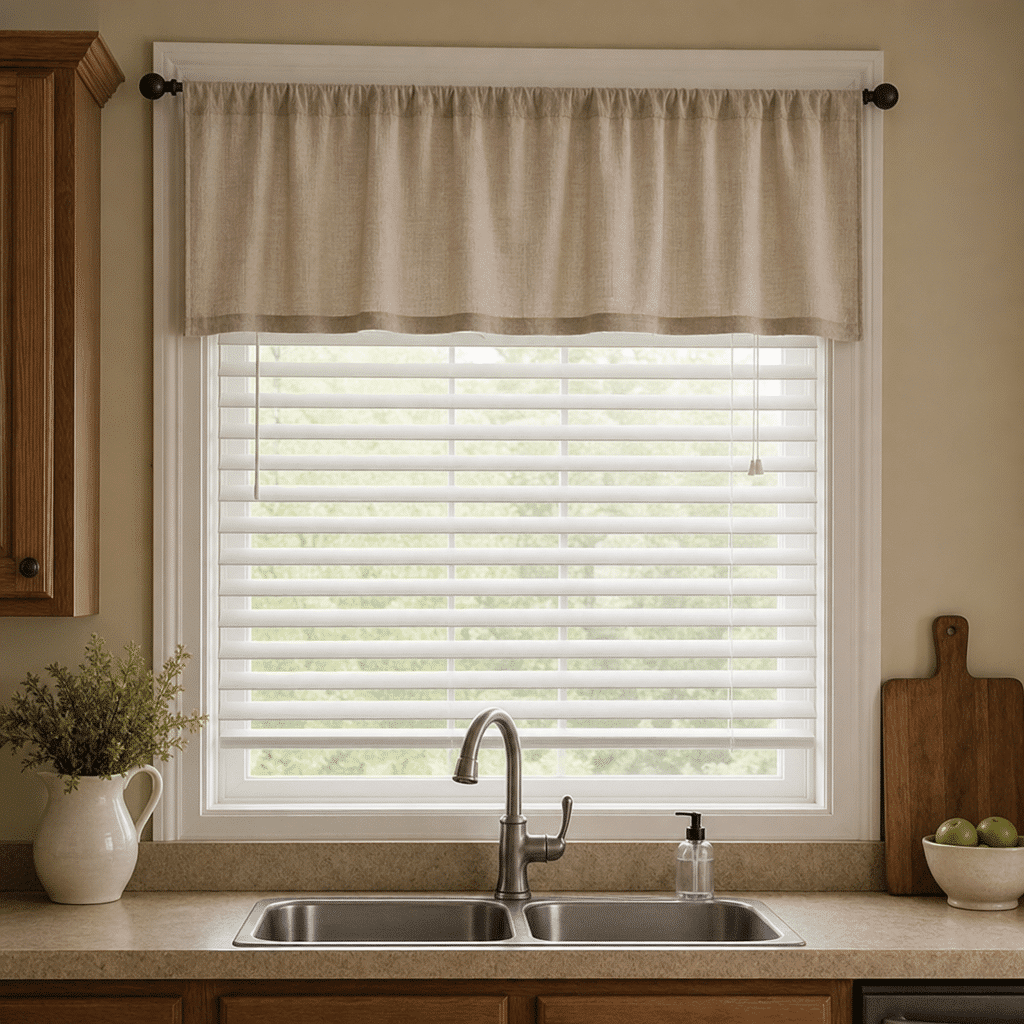
Shutters bring structure, style, and lasting appeal
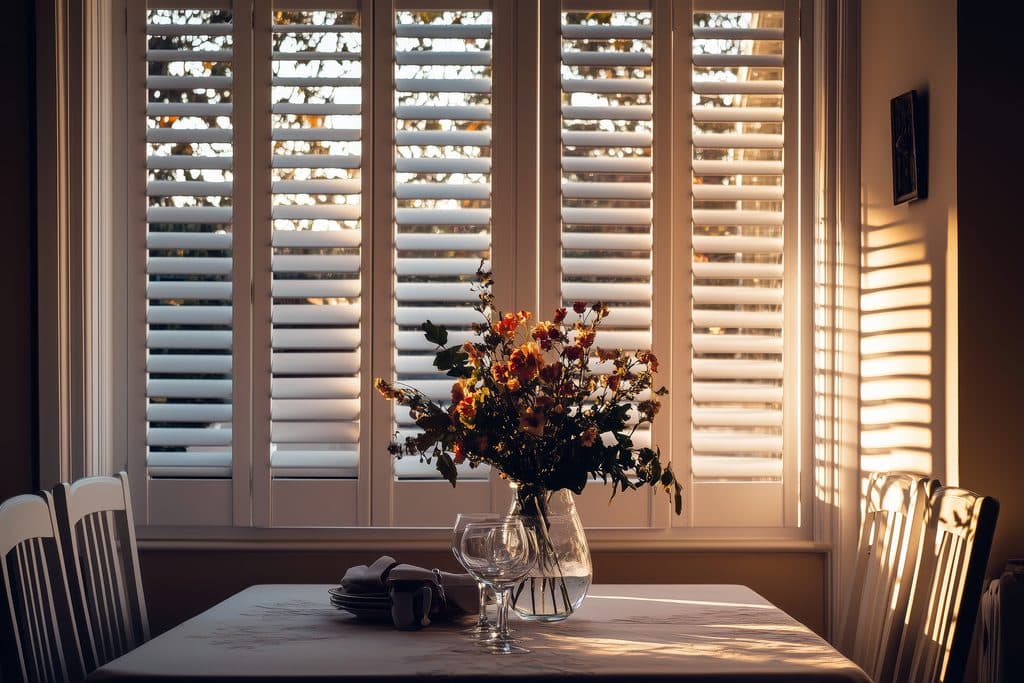
Interior shutters are a favorite choice for homeowners who want a clean trim look. They sit neatly within or around the window frame, add shape to a room, and can feel classic or modern depending on the finish and louver size. Their biggest advantage is control: you can tilt the louvers for light, close them for privacy, or open the panels when you want a clear view.
Shutters work especially well in main living areas, dining rooms, front-facing windows, and home offices. They create a polished look from the street while giving you flexible control from inside. For homeowners who want fewer fabric layers in a room, shutters also offer a crisp alternative to drapes or layered textiles.
When considering shutters, pay attention to fit. Custom measurements matter because gaps, uneven frames, or poorly sized panels can hurt both appearance and performance. Custom window coverings are especially useful when a home has arched windows, tall windows, narrow side windows, or older openings that are not square.
Blinds offer flexible control for everyday living
Blinds remain one of the most practical window coverings houston homeowners rely on in busy rooms. They are simple to use, available in many looks, and make quick daily changes easy. With a small tilt, you can move from open natural light to filtered privacy without fully raising the treatment.
Houston blinds are often chosen for bedrooms, offices, rental properties, secondary living spaces, and rooms where function comes first. They can create a neat, simple look while still helping homeowners manage sun and visibility. Depending on the material and finish, blinds can feel casual, classic, or more refined.
Common blind styles include:
- Faux wood blinds, which offer a warm look and are often chosen for durability and easy care.
- Wood blinds, which bring natural texture and a more upscale finish to living areas and offices.
- Vertical blinds, which can work well for wide windows and sliding glass doors.
- Aluminum or slim-profile blinds, which suit spaces where a minimal, light look is preferred.
If you are searching for window blinds Houston options, avoid choosing based on color alone. Consider slat size, control type, privacy needs, and how the blind looks when fully raised. A blind that works well in a guest room may not be the best fit for a wide patio door or a sun-filled family room.
Shades add softness and more options
Shades are a strong choice when you want a softer look than blinds or shutters. Because shades are made from fabric or fabric-like materials, they can add warmth, texture, and comfort to a room. They are also available in many light-filtering levels, from sheer to room darkening.
Roller shades are popular for clean modern interiors because they have a simple profile and disappear neatly when raised. Roman shades add a more decorative, tailored look and can soften rooms with hard flooring, minimal furniture, or strong lines. Cellular shades can help when comfort and insulation matter, while woven shades bring natural texture and a relaxed feel.
Shades are also useful when layering window treatments houston homeowners want for style and performance. For example, a light-filtering shade can sit under decorative side panels, giving the room privacy during the day while keeping the overall look inviting. Layering can make a space feel finished without making it feel heavy.
Custom choices solve common window challenges
Standard sizes may work for simple windows, but many homes benefit from custom window coverings. Houston houses can include wide picture windows, tall foyer windows, bay windows, French doors, arched openings, and patio doors that need more careful planning. Custom solutions help make sure the treatment fits well, moves smoothly, and suits the room’s size.
Customization is not only about size. It also includes material, color, opacity, control type, mounting style, and how the covering works with trim or hardware. These details may seem small, but they affect the final result every day.
A custom approach can help with practical issues such as:
- Uneven light exposure across different sides of the home.
- Privacy concerns on street-facing or neighbor-facing windows.
- Large glass doors that need easy access without bulky treatments.
- Specialty shapes that need careful measuring and product selection.
- Design consistency when open spaces include several window sizes.
Custom does not have to mean formal. It simply means the covering is selected and sized for the actual window and the way the room is used. That attention to detail often creates a cleaner, more comfortable result.
Affordable options can still look polished
Affordable window coverings do not have to look temporary or plain. The smartest way to manage budget is to prioritize the rooms that matter most, choose durable materials, and avoid paying for features you will not use. A simple, well-fitted blind or shade can look better than an expensive option that does not suit the space.
If you are updating an entire home, consider a phased approach. Start with bedrooms, bathrooms, and front-facing windows where privacy and daily use matter most. Then move to living spaces, specialty windows, and decorative layers as the budget allows. This keeps the project manageable while still improving comfort right away.
To make affordable choices feel intentional:
- Select neutral colors that match trim and wall tones.
- Use consistent styles in connected rooms for a cleaner look.
- Upgrade visible main rooms before less-used spaces.
- Choose easy-care materials for kitchens, bathrooms, and children’s rooms.
- Reserve premium decorative treatments for focal windows.
The goal is not to pick the cheapest product. It is to choose the best value for the room, the expected use, and the look you want to keep.
How do you match window treatments to each room?
Match window treatments to each room by identifying the room’s main job first, then choosing the product that supports it. A bedroom needs rest, a kitchen needs easy care, a bathroom needs privacy, and a living room often needs balanced light. When you start with the room’s purpose, window treatments houston homes need become much easier to narrow down.
Living rooms and family rooms
Living areas usually need flexibility. During the day, you may want natural light without harsh glare. In the evening, you may want privacy without closing the room off completely. Shutters, light-filtering shades, and quality blinds can all work well depending on the style of the space.
For larger rooms, think about how the coverings look from more than one angle. Open-concept homes often connect living, dining, and kitchen areas, so mixed styles can make the space feel busy. Choosing related colors or repeating one treatment type can create a calmer, more unified look.
Bedrooms
Bedrooms usually benefit from more light control. Room-darkening shades, lined Roman shades, shutters, or blinds paired with curtains can help create a more restful setting. Privacy is also important, especially for ground-floor bedrooms or windows near neighboring homes.
Think about morning routines, too. If you like waking with natural light, a light-filtering treatment may be enough. If you work nights or want a darker room, choose a stronger light-blocking option.
Kitchens and bathrooms
Kitchens and bathrooms need materials that are easy to clean and fit changing humidity and daily use. Simple blinds, shutters, or roller shades are often more practical than heavy fabric treatments in these spaces. The right product should provide privacy while staying out of the way of sinks, counters, and cooking areas.
Color can matter here. Light neutrals often keep these rooms feeling fresh and open, while textured shades can add warmth if the space feels too hard or plain.
Details that improve daily comfort
The best houston window coverings are not only attractive; they make daily routines easier. Small choices can affect how often you use the treatment, how easy it is to maintain, and how well it fits your home’s rhythm. Before deciding, walk through a normal day in the room and note when light, heat, glare, or privacy becomes an issue.
Consider these details before making a final choice:
- Lift style: Cordless and motorized options may create a cleaner look and easier use in some rooms.
- Mounting choice: Inside mounts look streamlined, while outside mounts can cover more glass or add visual height.
- Opacity: Sheer, light-filtering, room-darkening, and blackout materials all serve different needs.
- View control: Some products keep a view better than others while still filtering light.
- Maintenance: Smooth surfaces are usually easier to dust, while textured materials may need more careful cleaning.
- Consistency: Repeating finishes or colors helps a home feel cohesive, even when product types vary by room.
These details matter especially for windows you adjust every day. A beautiful covering that is hard to use will quickly become frustrating, while a practical one that fits your routine can feel effortless.
Professional guidance helps avoid costly guesswork
Window coverings involve more decisions than many homeowners expect. Measurements, mounting depth, privacy levels, material choices, and room-by-room function all matter. Professional guidance can help you compare options clearly and avoid choosing a product that looks good in a sample but does not work well on the window.
This is especially helpful when combining shutters, shades, and blinds throughout one home. A professional can help you keep the design cohesive while still choosing the right treatment for each room. They can also help identify where custom sizing is worth it and where a simpler option will do the job well.
If you are comparing houston window coverings, bring photos of your rooms, note which direction the windows face, and think about the times of day when the room is most uncomfortable. Clear details lead to better recommendations and fewer surprises.
A practical path to better windows
The right window coverings Houston homeowners choose should make a home more comfortable, more private, and more finished. Shutters offer structure and lasting style, blinds provide daily flexibility, and shades add softness with a wide range of design options. With the right mix, each room can feel better suited to how you actually live.
Start with your highest-priority spaces and consider what each window needs to accomplish, from privacy and light control to durability and everyday convenience. Plantation Shutters Houston offers custom plantation shutters, blinds, roller shades, and a wide range of additional shade options to help homeowners find the right solution for each room. Contact our team today to schedule a consultation or request a quote and explore custom window coverings for your Houston-area home.
Q&A
Question: What is the best overall window covering choice for a Houston home?
Short answer: There is no single best choice for every room. The best option depends on how the room is used, how much sunlight it gets, how much privacy is needed, and the look you want. Shutters are strong for structure and long-term style, blinds are practical for flexible daily control, and shades are ideal when softness, texture, or light filtering matter.
Question: When are custom window coverings worth considering?
Short answer: Custom window coverings are especially helpful for windows that are oddly shaped, very tall, very wide, arched, uneven, or part of a large open space where consistency matters. They can also improve function by creating a better fit, smoother operation, and more fitting light and privacy control than standard sizes may provide.
Question: How can homeowners choose window coverings on a budget without making the home look unfinished?
Short answer: A budget-friendly approach works best when homeowners prioritize high-use and highly visible rooms first, such as bedrooms, bathrooms, and front-facing windows. Choosing neutral colors, consistent styles in connected spaces, durable materials, and simple well-fitted blinds or shades can create a polished result without paying for extra upgrades.
Question: Which window treatments work best for kitchens and bathrooms?
Short answer: Kitchens and bathrooms usually need easy-care materials that can handle daily use and changing humidity. Simple blinds, shutters, and roller shades are often practical choices because they provide privacy, are easier to clean than heavy fabric treatments, and can stay clear of sinks, counters, and cooking areas.
Question: Why is professional guidance helpful when choosing shutters, shades, or blinds?
Short answer: Professional guidance can help homeowners avoid costly mistakes with measurements, mounting depth, materials, privacy levels, and room-by-room product selection. It is especially useful when combining different treatment types throughout one home, because a professional can help keep the overall design cohesive while still choosing the best solution for each window.